
Description
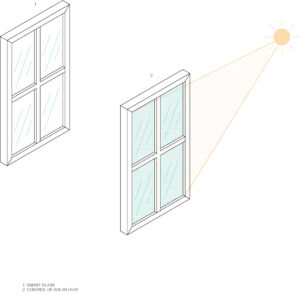
Electrochromic glass is a dynamic glazing technology that changes its tint in response to a low electrical current.
By adjusting visible light transmission and solar heat gain, it can reduce overheating and glare while maintaining outward views. The glazing can operate automatically through sensors or Building Management Systems (BMS), allowing its performance to respond to solar radiation, temperature, occupancy or user preferences.
Image
Please download the PDF to have the information sent directly to your email address.
Healthcare Waste Insulation
Send download link to:
Implementation Guide
- Identify highly glazed façades with significant solar exposure or overheating risk
- Select glazing according to required tint range, solar-control and daylight performance
- Coordinate electrical wiring and control infrastructure with the façade system
- Integrate sensors or BMS controls where automatic operation is required
- Configure control logic according to radiation, temperature and occupancy
- Monitor and adjust controls after commissioning if necessary
Benefits and Limitations
Benefits
- Provides dynamic control of solar heat gain and glare
- Can reduce cooling demand during high solar exposure
- Maintains outward views while adapting tint levels
- Improves daylight and visual-comfort management
- Can integrate with smart-building and BMS strategies
Limitations
- High initial cost
- Requires electrical and control infrastructure
- Switching speed varies by product and environmental conditions
- Retrofit can be complex in existing façades
- Specialized glazing and electronic components increase material complexity
Parameter and data
Design Dynamic glazing system selected according to façade orientation, glazing ratio, solar exposure, daylight requirements and overheating risk
Control strategies should balance solar protection, daylight availability, glare and occupant comfort
Materials and Components
- Float glass panes
- Electrochromic coating
- Transparent conductive layers
- Insulated glazing unit
- Edge spacers and seals
- Gas fill where applicable
- Electrical connections
- Sensors and control system
- BMS integration where required
Application Façades, curtain walls, skylights and atriums in offices, residential towers, healthcare facilities, airports and other highly glazed buildings
Technical Properties Thickness:
- Typically 25–50 mm for double or triple glazing configurations
- Weight: Approximately 30–50 kg/m², depending on glazing composition
- Visible light transmission: Approximately: 60–70% in clear state 1–5% in fully tinted state
Key properties include: Dynamic solar control, glare reduction, daylight modulation, UV protection, thermal insulation and automated operation
Thermal / Cooling Performance Electrochromic glazing can reduce solar heat gain by up to approximately 80–95% and cooling-energy demand by approximately 10–30%, depending on climate and building configuration
These values should be considered indicative and product-dependent rather than guaranteed project performance
Operation Active, low-energy operation, tinting can be manually controlled or automatically regulated through solar-radiation, temperature, occupancy or BMS inputs
Advantages Provides controllable solar protection and daylight management directly within the glazing, without relying on external movable shading devices
Applicability Criteria Most suitable for highly glazed buildings with significant solar exposure, glare or overheating risk where dynamic control provides a clear advantage over static glazing
Particularly appropriate where automated façade operation and BMS integration are already part of the building strategy
Less suitable where initial cost, electrical infrastructure or façade replacement complexity are major constraints
Expected Service Life Approximately 20–30 years
Actual performance depends on product quality, seals, electrical components and operating conditions
Please download the PDF to have the information sent directly to your email address.
Healthcare Waste Insulation
Send download link to:





