Description
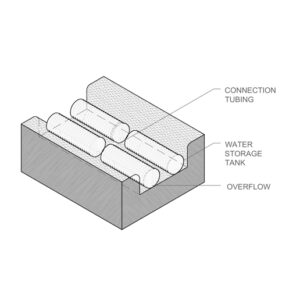
Underground stormwater storage tanks temporarily collect runoff from roofs and paved surfaces and release it gradually through a controlled outlet or, where appropriate, make it available for reuse.
By storing water below ground, the system reduces peak discharge to drainage networks while preserving usable surface space, making it particularly suitable for dense or constrained urban sites.
Image
Please download the PDF to have the information sent directly to your email address.
Healthcare Waste Insulation
Send download link to:
Implementation Guide
- Determine the required storage volume from catchment runoff, design rainfall and allowable discharge rate
- Assess soil conditions, groundwater level, excavation depth and underground utilities
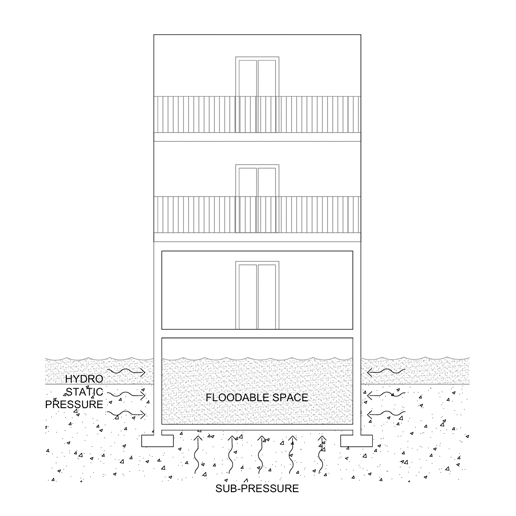
- Select and structurally design the tank for soil, traffic and groundwater loads, including flotation risk where relevant
- Provide sediment pre-treatment before water enters the storage system
- Install controlled outlets, emergency overflow and ventilation where required
- Provide safe and accessible inspection points for cleaning and maintenance
Benefits and Limitations
Benefits
- Provides high stormwater-storage capacity without occupying surface space
- Reduces peak runoff and pressure on downstream drainage systems
- Can be integrated beneath roads, parking areas and landscaped spaces
- Can support stormwater reuse where appropriate treatment and distribution systems are provided
Limitations
- Requires significant excavation and high initial investment
- Groundwater, utilities and difficult soil conditions can complicate installation
- Provides limited water-quality treatment without additional pre-treatment
- Sediment accumulation can reduce storage capacity if maintenance is inadequate
- Extreme rainfall may exceed the designed storage and discharge capacity
Parameter and data
Design: Underground storage volume sized according to contributing runoff, design rainfall and allowable discharge rate, with controlled outlet, emergency overflow, maintenance access and structural verification for soil, traffic and groundwater loads
Materials and Components:
- Reinforced concrete tanks
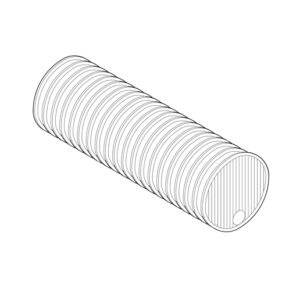
- Modular plastic storage units or large-diameter pipes
- Geotextiles or geomembranes where required
- Inlet and outlet pipework
- Sediment pre-treatment devices
- Flow-control devices
- Inspection chambers
- Overflow and ventilation components
Advantages: Provides high-capacity stormwater attenuation while maintaining full use of the surface above the system
Maintenance: Medium: periodic sediment removal, cleaning and inspection of inlets, outlets and flow-control devices, together with structural and watertightness checks where required
Environmental Impact: Medium: excavation, structural materials and underground construction create significant embodied and site impacts, partially offset by reduced surface flooding and pressure on conventional drainage infrastructure
Applicability Criteria: Suitable for dense or space-constrained sites where sufficient underground volume is available beneath parking areas, roads, parks or landscaped spaces. Groundwater conditions, structural loads, utilities and access for maintenance must be assessed before implementation
Expected Service Life: 50+ years for the main storage structure, depending on tank material, structural design, groundwater conditions and maintenance. Flow-control devices, seals and other mechanical components may require earlier replacement
Please download the PDF to have the information sent directly to your email address.
Healthcare Waste Insulation
Send download link to: