Description
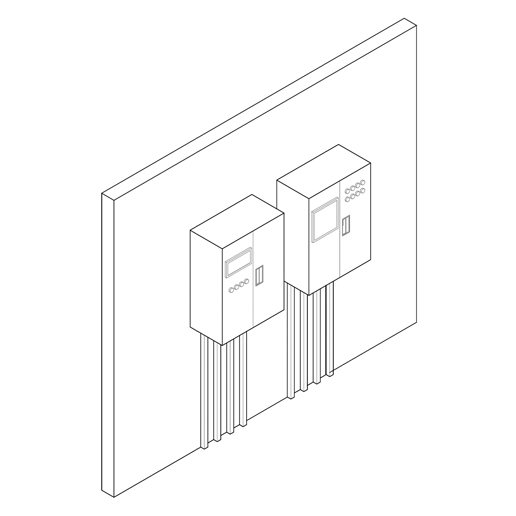
Early warning systems provide timely information before and during flood events by combining water-level and flood sensors, weather or forecasting data, monitoring platforms and communication systems.
They enable building occupants and operators to activate protective measures, shut down vulnerable systems, safeguard assets and evacuate where necessary, reducing damage and improving safety.
Image
Please download the PDF to have the information sent directly to your email address.
Healthcare Waste Insulation
Send download link to:
Implementation Guide
- Identify critical monitoring points and install appropriate water-level or flood-detection sensors
- Integrate sensor and forecasting data into a monitoring platform or BMS where available
- Provide automated alerts to occupants and facility managers through suitable communication channels
- Link warnings to automated responses where appropriate, such as pump activation or system shutdown
- Provide communication redundancy and backup power for critical components
- Establish emergency-response procedures and regularly test sensors, alerts and communication systems
Benefits and Limitations
Benefits
- Enables proactive action before and during flooding
- Improves occupant safety and emergency response
- Supports activation of other flood-protection measures
- Requires relatively limited physical intervention compared with structural solutions
Limitations
- Does not prevent flooding and depends on appropriate response actions
- Effectiveness depends on reliable sensors, forecasting and communications
- False alarms, equipment failure or communication loss can reduce performance
- Requires regular testing, maintenance, updates and user training
Parameter and data
Design: Integrated monitoring and alert system combining flood detection, data processing, communication and predefined response protocols, with redundancy and backup power for critical functions where required
Materials and Components:
- Water-level and flood-detection sensors
- Weather and forecasting data interfaces
- Monitoring platform or BMS integration
- Communication systems
- SMS, app, alarm or siren notification systems
- Controllers and automated-response interfaces
- Backup power supply
Advantages: Provides real-time information and enables rapid activation of protective, operational and evacuation measures with limited physical intervention
Maintenance: Medium: periodic sensor testing and calibration, communication and alert-system checks, backup-power verification, software updates and regular emergency-response drills
Environmental Impact: Low: limited physical intervention and material use compared with structural flood-protection measures, although electronic equipment requires periodic replacement and updating
Applicability Criteria: Suitable for flood-prone residential, commercial and public buildings, particularly where warning time allows protective measures, system shutdown or evacuation to be activated. Most effective when integrated with clearly defined emergency procedures and other active or deployable flood-resilience measures
Expected Service Life: Technology-dependent. Sensors, communication equipment, backup-power systems and software require periodic maintenance, updating and replacement during the operational life of the system
Please download the PDF to have the information sent directly to your email address.
Healthcare Waste Insulation
Send download link to: