
Description
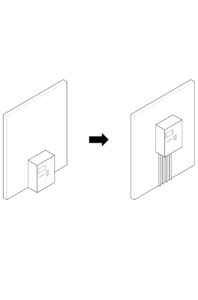
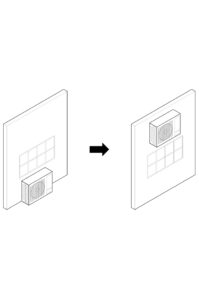
This measure consists of relocating critical building services and equipment from flood-prone areas to permanently safer locations above the design flood level, such as upper floors, rooftops or elevated technical enclosures.
Unlike equipment elevation within the same space, relocation removes critical systems from the flood-risk zone, providing a high level of protection and improving operational continuity and post-flood recovery.
Image
Please download the PDF to have the information sent directly to your email address.
Healthcare Waste Insulation
Send download link to:
Implementation Guide
- Identify critical equipment and services located within the flood-risk zone
- Select a safe relocation area above the design flood level with an appropriate safety margin
- Verify structural capacity, space, access and operating requirements at the new location
- Redesign pipework, cables, ducts and other service routes to minimize exposure within flood-prone areas
- Provide appropriate supports, connections and protective enclosures
- Test all systems after relocation and ensure adequate access for operation and maintenance
Benefits and Limitations
Benefits
- Provides a high level of protection by removing critical equipment from flood exposure
- Reduces service interruption, equipment damage and recovery time
- Provides a robust long-term solution for recurrent or high flood risk
- Protects critical building functions without requiring the surrounding space to remain dry
Limitations
- Requires significant redesign and modification of service networks
- More costly and disruptive than simply elevating equipment in place
- Space, structural capacity and access may limit relocation options
- May affect building layout, roof space or technical areas
- Existing service routes may remain vulnerable if not adequately redesigned
Parameter and data
Design: Critical equipment relocated above the design flood level with an appropriate safety margin, with structural capacity, service routes, operational clearances and maintenance access verified
Materials and Components:
- New pipework, cables or duct routes
- Structural supports and mounting systems
- Connection and extension elements
- Protective enclosures where required
- Anchoring and fixing systems
- Flexible connections where appropriate
Advantages: Provides permanent removal of critical equipment from the flood-risk zone, offering high protection, improved operational resilience and reduced post-flood recovery needs
Maintenance: Low: periodic inspection of relocated equipment, supports, connections and service routes as part of normal building-services maintenance
Environmental Impact: Medium: relocation may require additional service routes, supports, enclosures and building modifications, although reduced flood damage and premature equipment replacement can provide lifecycle benefits
Applicability Criteria: Suitable for buildings with critical equipment located in high-risk flood zones where sufficient safe space is available on upper floors, roofs or elevated technical areas. Not suitable where structural capacity, available space, access or technical requirements prevent safe relocation
Expected Service Life: 25–50+ years for permanent supports, service routes and adaptation elements, depending on materials, exposure and maintenance. The service life of the relocated equipment itself should be assessed separately
Please download the PDF to have the information sent directly to your email address.
Healthcare Waste Insulation
Send download link to:





