
Description
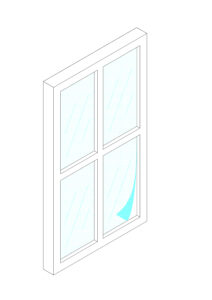
Solar-control window films are thin retrofit layers applied to existing glazing to reduce solar heat gain, glare and UV transmission.
They can use reflective, absorptive, ceramic or spectrally selective technologies and provide a relatively fast and low-cost way to improve summer comfort without replacing the existing glazing.
Image
Please download the PDF to have the information sent directly to your email address.
Healthcare Waste Insulation
Send download link to:
Implementation Guide
- Identify glazing with high solar exposure, overheating or glare
- Verify compatibility with the existing glass and insulated glazing units
- Select the film according to SHGC/g-value reduction, visible light transmission and reflectance
- Prepare and clean the glazing carefully before application
- Select internal or external installation according to product type and exposure
- Inspect edges, adhesion and surface condition periodically
Benefits and Limitations
Benefits
- Reduces solar heat gain, glare and UV transmission
- Fast and relatively low-cost retrofit measure
- Requires minimal disruption to the existing façade
- Can improve comfort in highly glazed spaces
- Avoids full glazing replacement
Limitations
- Can reduce daylight and useful winter solar gains
- Performance varies significantly between film technologies
- Incorrect selection may increase thermal stress in the glass
- Service life is shorter than that of replacement glazing
- Appearance and external reflectance may affect façade design
Parameter and data
Design:Retrofit solar-control layer selected according to the existing glazing type, façade orientation, overheating risk and required balance between solar control and daylight transmission
Glass compatibility and thermal-stress risk should be verified before installation
Materials and Components:
- PET polyester film
- Metallized reflective layers
- Ceramic or spectrally selective coatings
- Adhesive layers
- Scratch-resistant surface coating
- Solar-control or combined safety/security film where required
Application: Existing windows, curtain walls, skylights, shopfronts and glazed façades in residential, office, educational, healthcare and commercial buildings
Technical Properties: Relevant parameters include:
- SHGC / g-value reduction
- Visible Light Transmission
- Solar reflectance and absorptance
- Glare reduction
- UV transmission
- Compatibility with existing glass
Thermal / Cooling Performance: Provides medium solar-control performance by reducing solar gains through treated glazing and lowering peak cooling demand
Actual effectiveness depends on glazing orientation, film type, SHGC/g-value reduction, visible transmittance and the characteristics of the existing glass
Operation: Passive, no operational energy input is required
Advantages: Provides solar control through a thin retrofit layer without replacing the existing glazing, making it particularly useful where cost, disruption or construction constraints limit full window replacement
Applicability: Criteria Suitable for existing glazing with excessive solar exposure or glare where full window replacement is not justified
The existing glass type, IGU configuration, thermal-stress risk, external appearance and heritage requirements should be checked before application
Expected Service Life: Service life is product-dependent and should be defined according to the selected manufacturer, film technology, installation position and exposure conditions
External films generally require greater weathering resistance than internally applied films
Please download the PDF to have the information sent directly to your email address.
Healthcare Waste Insulation
Send download link to:





