
Description
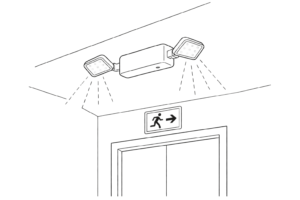
Emergency lighting is the complete backup lighting infrastructure that operates when normal electrical supply fails. It may include escape-route lighting, anti-panic/open-area lighting, high-risk task lighting and illuminated signs.
Wildfires can cause grid outages through infrastructure damage or preventive shutdowns, so emergency lighting provides continuity for evacuation and critical manual actions even before an internal fire is present.
Image
Please download the PDF to have the information sent directly to your email address.
Healthcare Waste Insulation
Send download link to:
Implementation Guide
- Define areas requiring escape-route, open-area and high-risk task lighting
- Choose self-contained or central-battery architecture according to building scale and resilience objectives
- Provide automatic operation on loss of normal power
- Ensure autonomy matches national requirements and the emergency plan
- Coordinate emergency signs, stair lighting and exterior exit-discharge lighting
- Protect central supplies and circuits where common-mode failure is possible
- Implement functional and duration testing with recorded results
Benefits and Limitations
Benefits
- Provides lighting continuity during grid failure
- Supports evacuation and emergency operations
- Can cover external exit discharge and critical equipment
- Reduces dependence on personal devices
- Can be centrally monitored in large buildings
Limitations
- Battery degradation requires planned replacement
- Central systems can create a common point of failure
- Smoke can reduce visibility despite adequate light
- Testing and record keeping are recurring obligations
- Does not replace backup power for other life-safety systems
Parameter and data
Application: Escape routes, open areas, high-risk task locations, exits and exterior discharge
Architecture: Self-contained emergency luminaires, central-battery systems or other compliant emergency power arrangements
Activation: Automatic activation upon failure of the normal lighting supply
Autonomy: Typically 1–3 hours depending on building use, evacuation strategy and national requirements
Components: Emergency luminaires, signs, batteries, chargers, central panels and monitoring devices
Expected Service Life: Luminaires commonly 10-20 years; batteries 4-10 years
Maintenance: Functional tests, duration tests, battery replacement, cleaning and fault repair
Indicative Regulatory References: EN 1838; EN 50172; EN 60598-2-22 where applicable; EN ISO 7010; national fire-safety requirements
Please download the PDF to have the information sent directly to your email address.
Healthcare Waste Insulation
Send download link to:





