
Description
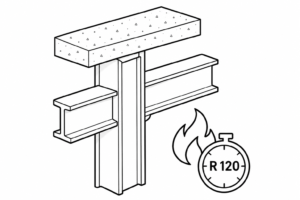
Fire resistance of structural elements is the ability of load-bearing walls, columns, beams, floors and connections to maintain stability and, where relevant, integrity and insulation for the time required by the fire strategy.
The measure includes inherent resistance and added protection such as encasement, boards, sprayed protection or intumescent coatings. Connections and local details are as important as the main member.
Image
Please download the PDF to have the information sent directly to your email address.
Healthcare Waste Insulation
Send download link to:
Implementation Guide
- Determine required R, REI or related performance from building use and national rules
- Verify concrete cover, steel protection, timber charring allowance or other material-specific fire design
- Protect structural connections and supports consistently with main members
- Use tested or assessed passive protection systems with controlled thickness
- Avoid penetrations or services that compromise structural protection
- Inspect exposed protection for damage, corrosion or moisture degradation
- Reassess after significant refurbishment or change of use
Benefits and Limitations
Benefits
- Reduces risk of structural collapse
- Provides time for evacuation and firefighting
- Protects critical load paths and compartments
- Can limit disproportionate damage
- Passive protection does not depend on power
Limitations
- Can add cost, weight or thickness
- Existing structures can be difficult to upgrade
- Protection systems can be mechanically damaged
- Performance depends on connections and boundary conditions
- Severe external wildfire exposure may require additional envelope protection
Parameter and data
Application: Load-bearing walls, columns, beams, floors/roofs and critical connections
Performance: R for load-bearing capacity; REI where integrity and insulation are also required
Protection Methods: Concrete cover, encasement, mineral/spray protection, fire boards, intumescent coatings and sacrificial timber section
Design Approach: Test-based classification, tabulated data or structural fire engineering according to material standards and national code
Expected Service Life: Primary structure 50+ years; applied coatings, boards and seals need periodic inspection and renewal
Maintenance: Inspect continuity, mechanical damage, corrosion and modifications to protected members/connections
Indicative Regulatory References: EN 13501-2; EN 1365 series; relevant Eurocode fire parts including EN 1992-1-2, EN 1993-1-2 and EN 1995-1-2; national fire regulations
Please download the PDF to have the information sent directly to your email address.
Healthcare Waste Insulation
Send download link to:





