
Description
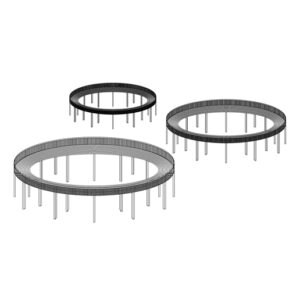
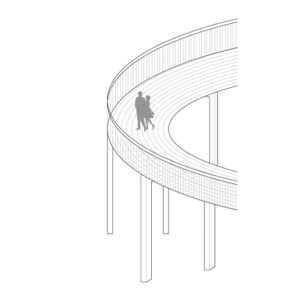
Raised access routes and elevated walkways are pedestrian circulation systems positioned above the design flood level to maintain safe access during flood events. They can connect building entrances, critical facilities, evacuation points or higher ground while allowing floodwater to pass beneath with limited obstruction.
The measure is particularly suitable where recurrent flooding makes ground-level pedestrian routes temporarily inaccessible.
Image
Please download the PDF to have the information sent directly to your email address.
Healthcare Waste Insulation
Send download link to:
Implementation Guide
- Identify critical pedestrian connections and determine the design flood conditions
- Position the route above the design flood level with an appropriate safety margin
- Design supports and foundations for structural loads, flood forces, scour and debris impact
- Minimize obstruction to floodwater flow beneath the walkway
- Provide accessible ramps, guardrails and durable slip-resistant surfaces
- Ensure all connection points remain above flood level and inspect the structure after major flood events
Benefits and Limitations
Benefits
- Maintains safe pedestrian access during flooding.
- Supports evacuation and access to critical facilities
- Allows floodwater to pass beneath with limited obstruction
- Provides a durable solution for sites with recurrently flooded circulation routes
Limitations
- Requires significant structural and foundation works
- Ramps and level changes may require considerable space
- Supports and foundations remain exposed to flood forces, scour and debris
- Effectiveness depends on all entrances and connection points remaining accessible above flood level
- Does not protect the building itself from flooding
Parameter and data
Design: Pedestrian route located above the design flood level with an appropriate safety margin, with structural supports and foundations designed for flood forces, scour and debris impact while minimizing obstruction to water flow
Materials and Components:
- Steel, reinforced concrete or suitable timber structure
- Piles or columns
- Elevated decking
- Ramps and access connections
- Guardrails
- Structural anchoring systems
- Scour and erosion protection where required
Advantages: Maintains pedestrian circulation and access during flood events while allowing water to pass beneath the route with limited obstruction
Maintenance: Low–Medium: periodic inspection of structural elements, connections, fixings, walking surfaces and foundations, with additional checks for erosion, scour or impact damage after major flood events
Environmental Impact: Medium: structural materials and foundations create embodied impacts, although the elevated configuration generally allows floodwater to pass beneath with limited alteration of natural flow paths
Applicability Criteria: Suitable for flood-prone pedestrian routes, campuses, critical facilities and sites requiring continued access between buildings or safe areas. Not suitable where elevated connections cannot reach safe destinations above the design flood level or where severe hydraulic conditions make exposed supports impractical
Expected Service Life: 30–50+ years, depending on structural system, material exposure, flood conditions and maintenance. Walking surfaces, fixings and protective components may require earlier replacement
Please download the PDF to have the information sent directly to your email address.
Healthcare Waste Insulation
Send download link to:





