Description
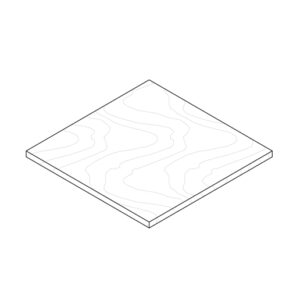
Marine or preservative-treated plywood can provide greater resistance to moisture and intermittent flood exposure than standard wood-based panels. Marine plywood uses durable veneers and water-resistant structural bonding, while treated plywood may include preservatives or protective coatings to reduce biological deterioration.
These materials can support flood-resilient construction where timber-based products are required, provided that edges, joints and exposed surfaces are properly protected and prolonged immersion is avoided.
Image
Please download the PDF to have the information sent directly to your email address.
Healthcare Waste Insulation
Send download link to:
Implementation Guide
- Use marine-grade or preservative-treated plywood appropriate to the expected exposure conditions
- Protect exposed faces, edges, joints, fixings and cut surfaces against water absorption
- Use water-resistant adhesives, coatings and sealants compatible with the panel
- Provide detailing that allows drainage, ventilation and drying after water exposure
- Inspect panels after flooding and replace elements showing swelling, delamination or biological deterioration
Benefits and Limitations
Benefits
- More moisture-resistant than standard plywood or particleboard
- Lightweight, adaptable and relatively easy to install or replace
- Can reduce material damage and recovery time after limited flood exposure
- Compatible with different interior finishes and construction systems
Limitations
- Not waterproof and may absorb water during prolonged exposure
- Edges and damaged coatings are particularly vulnerable to moisture ingress
- Not suitable for permanent immersion or highly contaminated floodwater
- May require resealing or replacement after repeated or severe flooding
Parameter and data
Design: Layered wood panel manufactured with durable veneers and water-resistant structural bonding, optionally enhanced with preservative treatments and protective surface coatings. Edges, joints and penetrations should be protected against water ingress
Materials and Components:
- Hardwood or softwood veneers
- Exterior-grade / water-resistant structural adhesives
- Preservative treatments where required
- Protective coatings, paints or varnishes
- Water-resistant edge sealants
- Corrosion-resistant fixings where exposed
Application: Interior wall linings, doors, cabinetry, raised elements and selected flooring substrates in areas subject to intermittent or limited flood exposure
Thickness: Typically 10–25 mm, depending on structural and application requirements
Permeability: Moderate water resistance and moderate vapour permeability. Performance depends strongly on panel grade, edge protection and surface treatment
Advantages: Lightweight, adaptable and relatively economical, with improved moisture resistance compared with standard wood-based panels
Maintenance: Medium: inspection after flood exposure, cleaning and drying, with periodic resealing of edges and surfaces and replacement where swelling, delamination or deterioration occurs
Environmental Impact: Low–medium: renewable material base but depends on treatments and adhesives
Applicability Criteria: Suitable for interior applications with intermittent or limited water exposure where timber-based panels are required. Not suitable for permanent immersion, prolonged saturation, highly contaminated floodwater or locations where complete drying cannot be ensured
Expected service life: 10–25 years, depending on panel quality, exposure conditions, protection of edges and surfaces, and maintenance
Please download the PDF to have the information sent directly to your email address.
Healthcare Waste Insulation
Send download link to: