Description
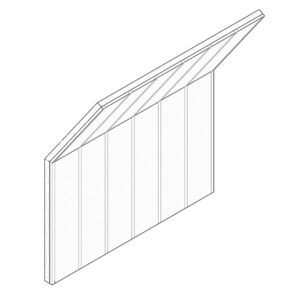
Closed-cell insulation materials have low water absorption and can retain a significant part of their thermal performance after temporary flood exposure. Compared with absorbent insulation, they facilitate drying and reduce the need for removal and replacement following flooding.
They are particularly suitable for flood-prone ground floors, basements and wall assemblies when combined with compatible water-resistant materials and detailing.
Image
Please download the PDF to have the information sent directly to your email address.
Healthcare Waste Insulation
Send download link to:
Implementation Guide
- Identify insulation located within the expected flood zone
- Select low-water-absorption insulation appropriate to the expected exposure conditions
- Use compatible water-resistant substrates, adhesives and fixings
- Detail assemblies to avoid trapped water and allow drainage and drying
- Inspect insulation after flooding and replace damaged or contaminated areas where necessary
Benefits and Limitations
Benefits
- Reduces water absorption and loss of thermal performance
- Reduces post-flood replacement and recovery needs
- Provides a passive solution with low maintenance requirements
- Compatible with other flood-resilient materials and construction systems
Limitations
- Does not prevent floodwater from entering the building
- Performance varies significantly between insulation products
- Prolonged exposure or contamination may still require replacement
- Some products have relatively high embodied environmental impacts or initial costs
Parameter and data
Design: Low-water-absorption insulation integrated within flood-resilient wall or floor assemblies, with detailing that facilitates drainage and drying after water exposure
Materials and Components:
- Extruded polystyrene (XPS)
- Polyisocyanurate (PIR) or other suitable closed-cell rigid foams
- Aerogel-based insulation where appropriate
- Water-resistant adhesives and fixings
- Compatible protective layers
Application: Ground floors, basements, wall linings and other insulated building elements located within flood-prone areas
Thickness: Typically 2–10 cm, depending on the insulation material and required thermal performance
Permeability: Low water absorption. Vapour permeability varies according to the specific insulation product and construction system
Advantages: Low water absorption, good thermal performance, reduced replacement needs and improved recoverability after temporary flood exposure
Maintenance: Low: generally limited to inspection after flood events, drying and local replacement where damage, contamination or loss of performance is detected
Environmental Impact: Medium: impacts vary by insulation type and may include relatively high embodied impacts, partially offset by durability and reduced replacement after flood events
Applicability Criteria: Suitable for flood-prone ground floors, basements and wall or floor assemblies where low water absorption and post-flood recoverability are required. Not suitable as a substitute for dedicated waterproofing or where prolonged contamination prevents safe reuse
Expected service life: 30–50 years, depending on insulation type, installation, exposure conditions and compatibility with the surrounding construction system
Please download the PDF to have the information sent directly to your email address.
Healthcare Waste Insulation
Send download link to: